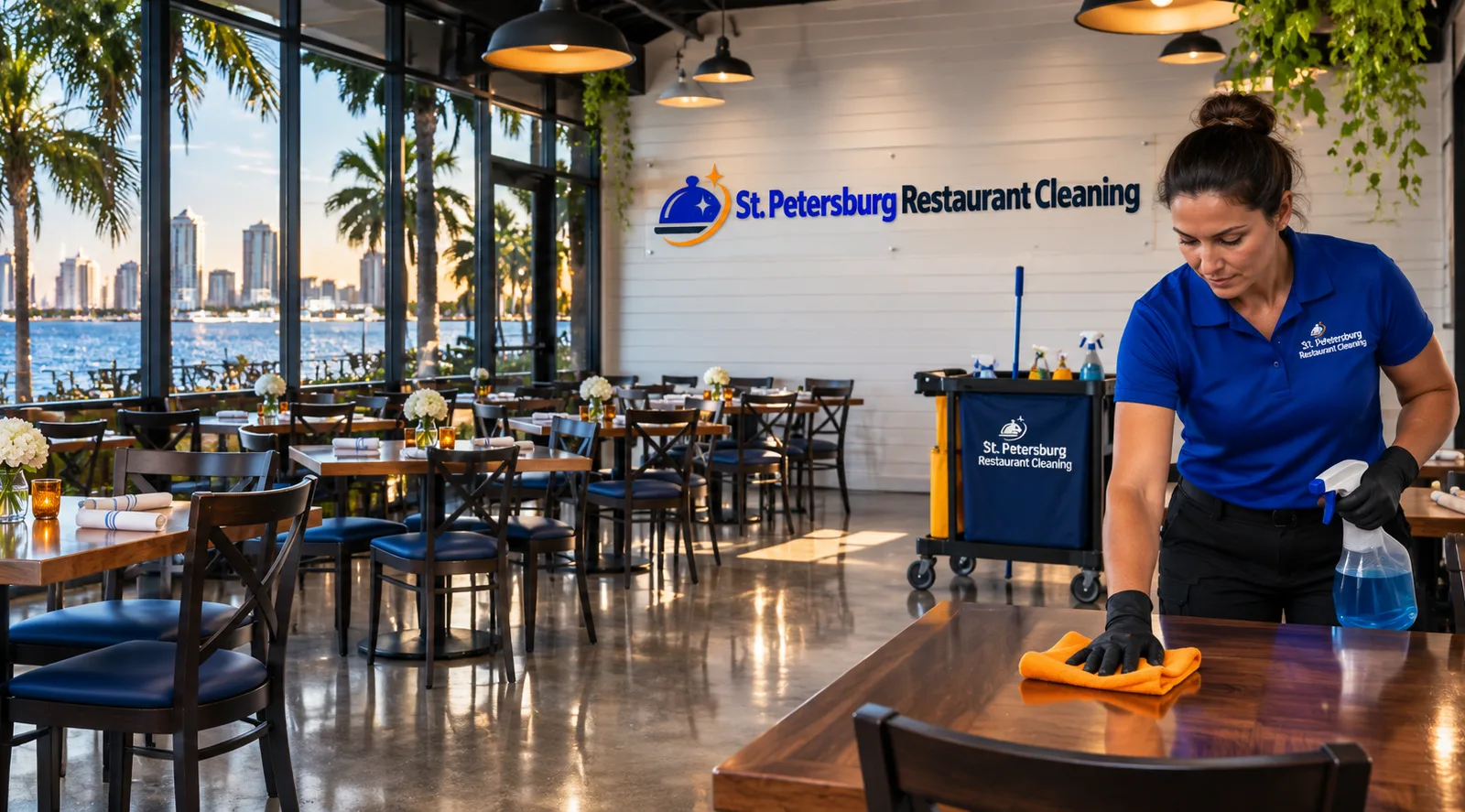
Yes, service can be planned around an agreed closing or opening window when staffing and access allow. During the walkthrough, we confirm entry procedures, alarm instructions, key control, manager contacts, and the time by which floors and guest areas must be dry and ready.
Square footage, cleaning frequency, soil level, floor material, restroom count, furniture density, access, and task complexity are the main price drivers. A compact downtown dining room may have fewer square feet but require more hand detailing around closely spaced tables, bars, and service stations.
One-time and recurring work can be scoped according to availability and facility condition. A deep clean may address accumulated floor residue, edges, baseboards, elevated dust, restroom details, and other work that is too time-consuming for a standard nightly visit.
High dusting should be scheduled according to visible buildup, ceiling height, airflow, cooking activity, and the surfaces present. Vents, pipes, light housings, beams, and elevated ledges are inspected during the walkthrough, then placed on an appropriate rotating schedule.
Yes, limited overlap may be possible if safe work zones and responsibilities are established in advance. Cleaning routes should avoid active food preparation, wet-floor conflicts, chemical exposure, and blocked employee paths, especially in compact back-of-house spaces.
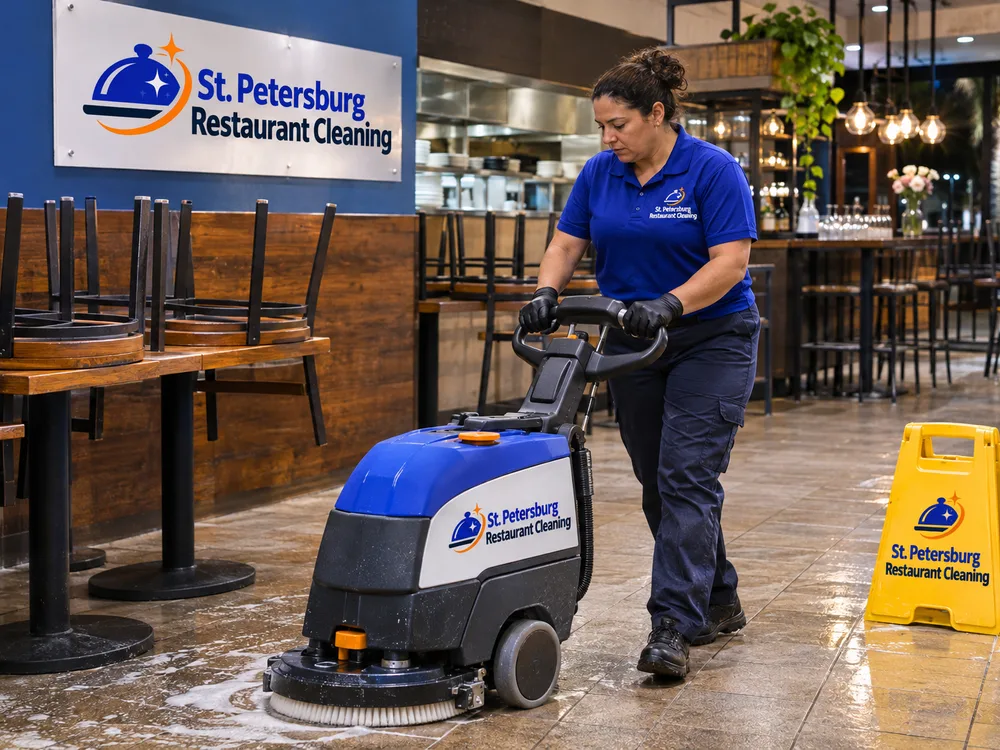
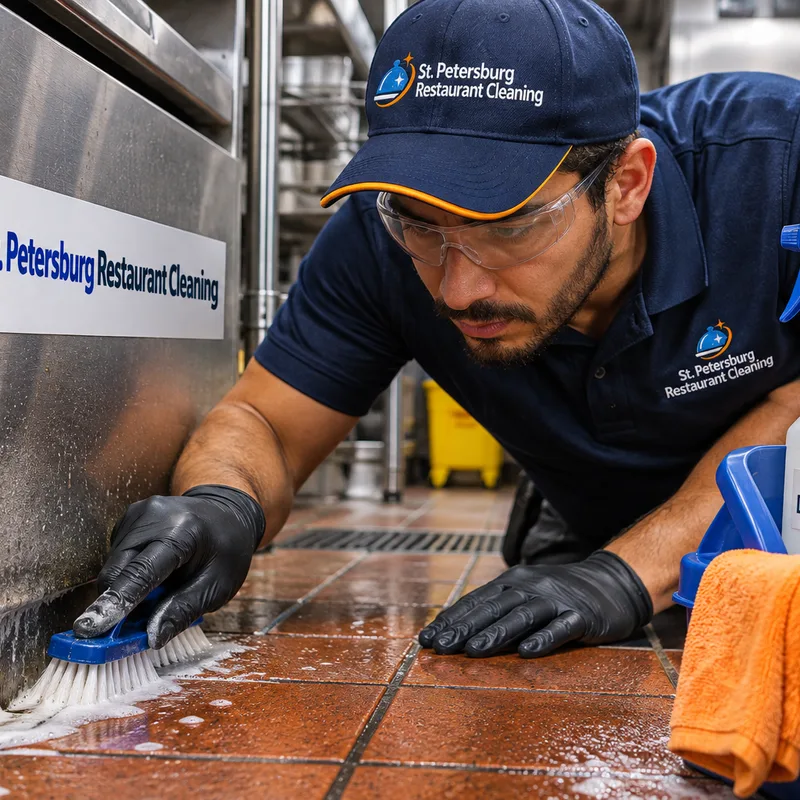
No, the method depends on the floor material and current soil level. Routine service may use vacuuming, sweeping, microfiber mopping, or auto-scrubbing, while grout buildup, greasy quarry tile, or worn finish may require separate restorative work.
The manager should identify access instructions, restricted areas, floor types, sensitive finishes, alarm procedures, waste locations, and the required completion time. Food and movable items should be secured according to the agreed plan before cleaning begins.